The History of Money · 2 min read
From Plastic to Phones: Digital Payments
Credit cards, ATMs, online banking and contactless phone payments: how money became digital in a single lifetime.
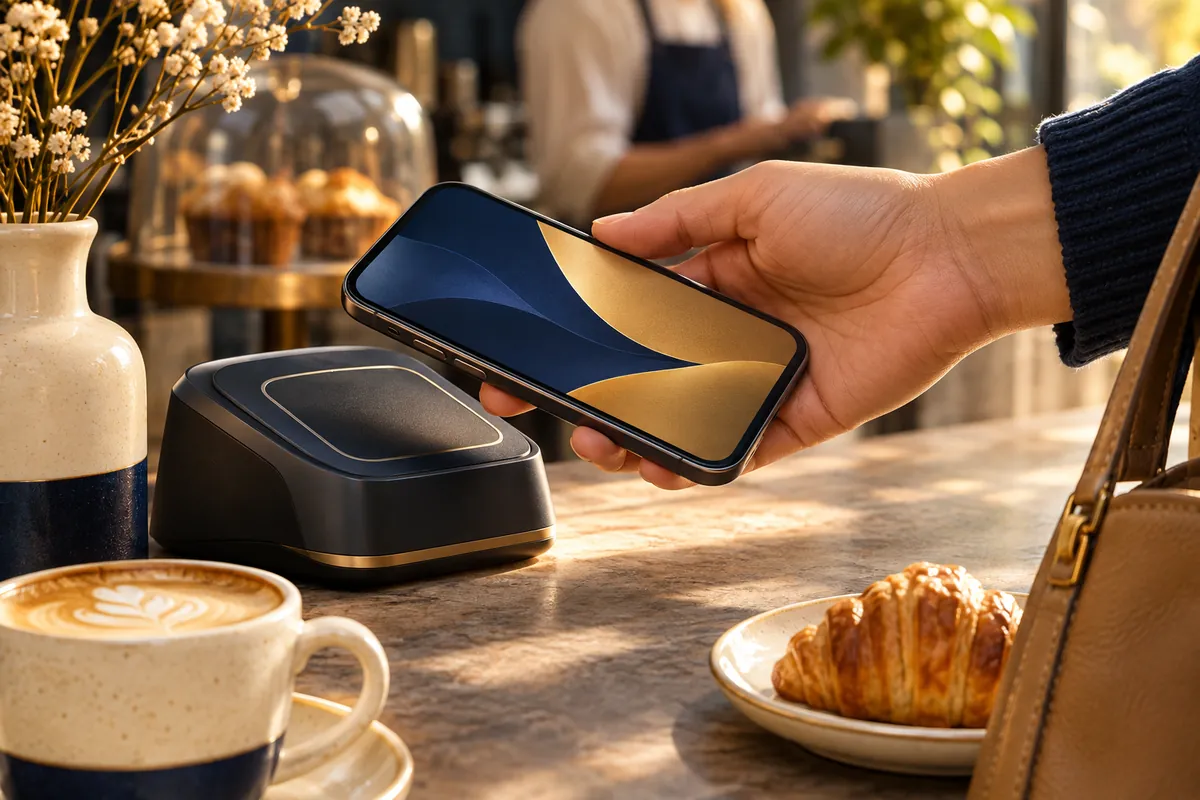
In just a few generations, much of everyday money stopped being physical. Today, money is mostly numbers in bank computers, moved by cards, apps and phones.
The card era
Charge cards for restaurants appeared in the 1950s, and bank credit cards soon followed. ATMs began spreading in the late 1960s, letting people get cash without a teller.
Online and mobile
Online banking grew in the 1990s and 2000s. Smartphones brought mobile banking, peer-to-peer payment apps and tap-to-pay at the register.
What hasn't changed
Digital money still depends on trust, now in banks, networks and security systems. And it's easier than ever to spend without feeling it. A swipe doesn't feel like handing over cash, which is why many people overspend. See impulse spending.
Updated November 15, 2026. General education only, not financial advice.