How Money Works · 2 min read
Inflation: Why Prices Rise
What inflation is, why prices rise over time, how it affects savings and paychecks, and what you can do about it.
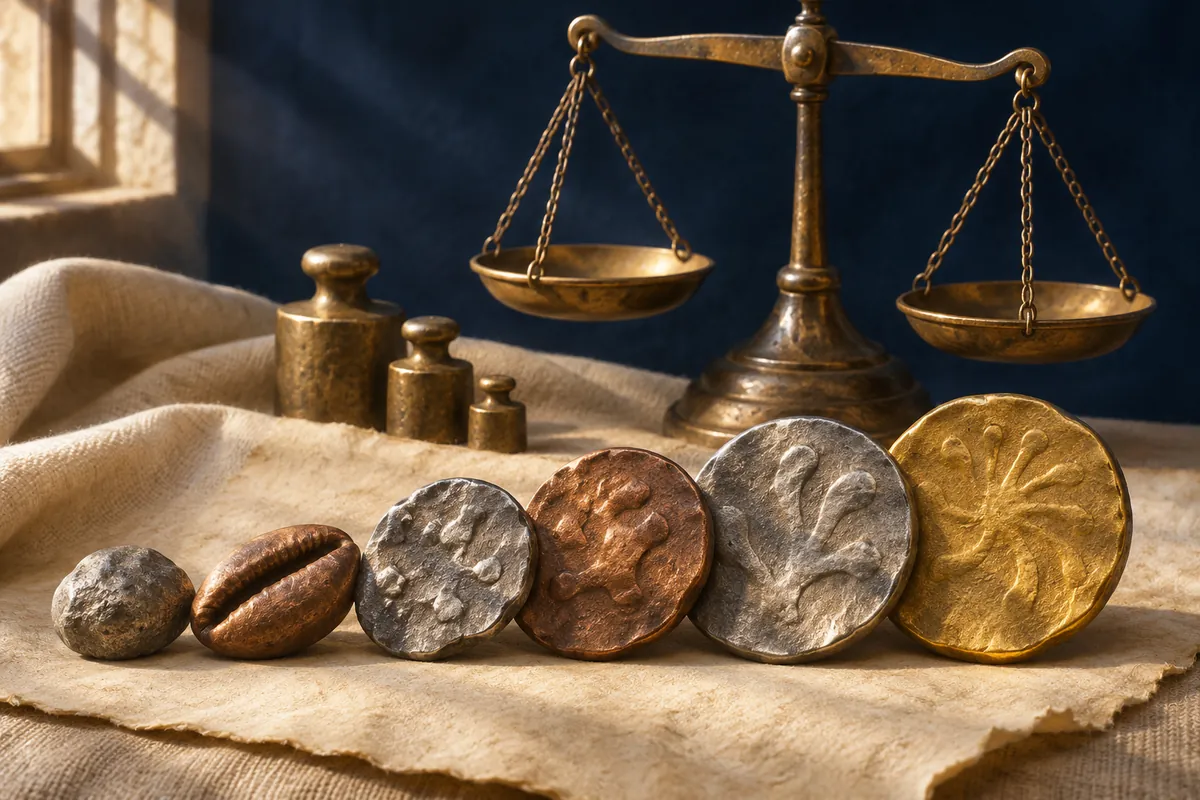
Inflation is the general rise in prices over time. When prices rise, each dollar buys a little less. A candy bar that cost a nickel generations ago costs far more today.
Why it happens
Inflation can rise when demand outpaces what the economy can produce, when costs like energy jump, or when the money supply grows faster than goods and services. The Federal Reserve aims for low, stable inflation, around 2% a year over time.
What it means for you
- Cash loses value if it sits earning nothing.
- Raises matter: a 3% raise in a 4% inflation year is a pay cut in real terms.
- Fixed-rate debt gets a little easier to repay over time.
What you can do
Keep an emergency fund in an insured savings account that pays interest, and invest long-term money where it has a chance to outpace inflation. Try our inflation calculator.
Updated November 15, 2026. General education only, not financial advice.